
Tests and procedures
Each test and procedure has its own short page, so you know what to expect before you come in: what it is, how to prepare, how long it takes and what it costs.
Tests at the rooms
All at Suite 5B, Level 2, 84 Mollison Street, and none of them need fasting.

Consultation
An appointment with Dr Mekel to talk through your symptoms, examine you and agree on a plan.
What to expect: Consultation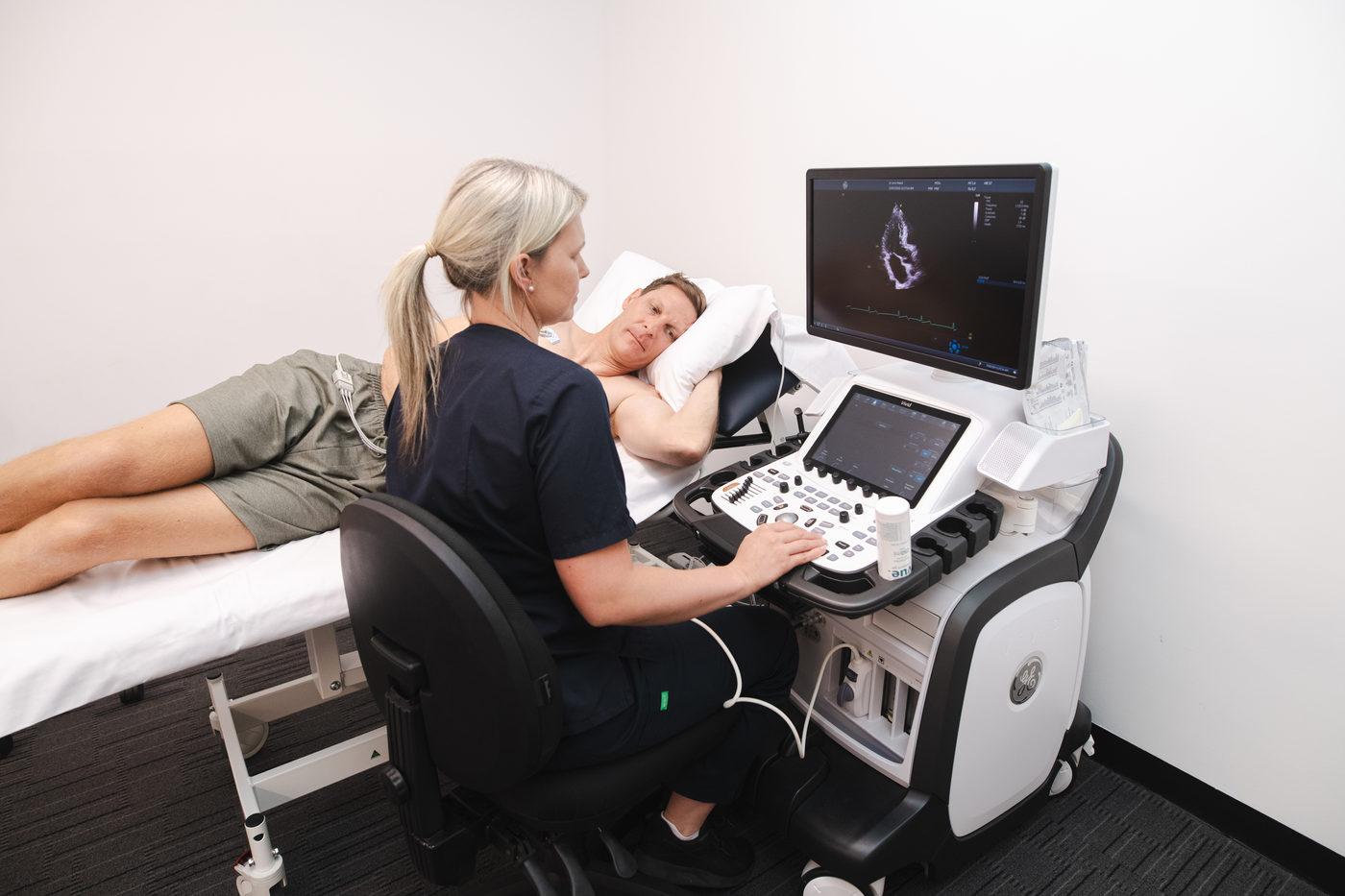
Echocardiogram
An ultrasound of your heart that shows its chambers, valves and how well it pumps.
What to expect: Echocardiogram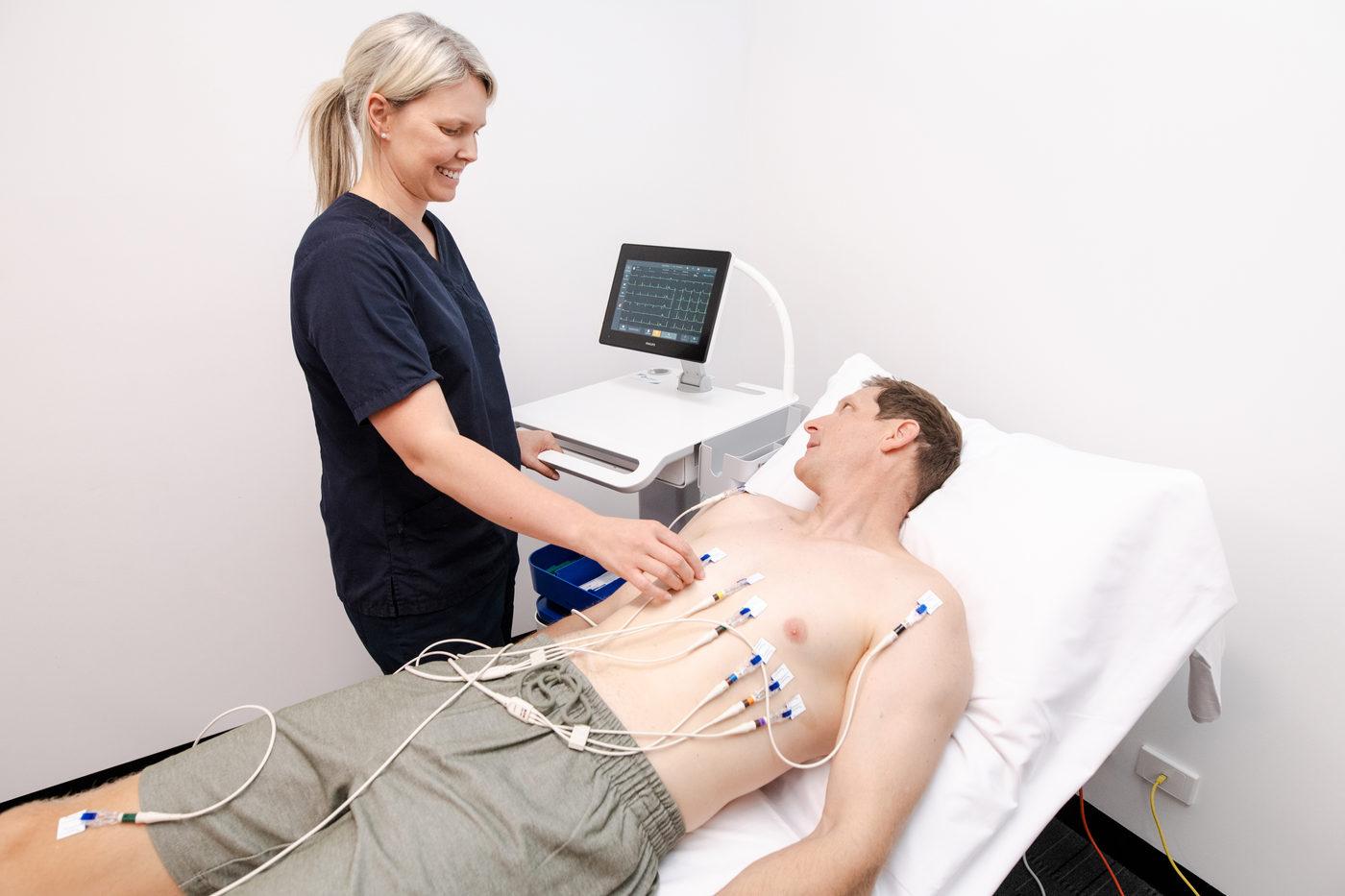
12-lead ECG
A quick, painless recording of your heart's electrical activity, taken with sticky pads on your chest.
What to expect: 12-lead ECG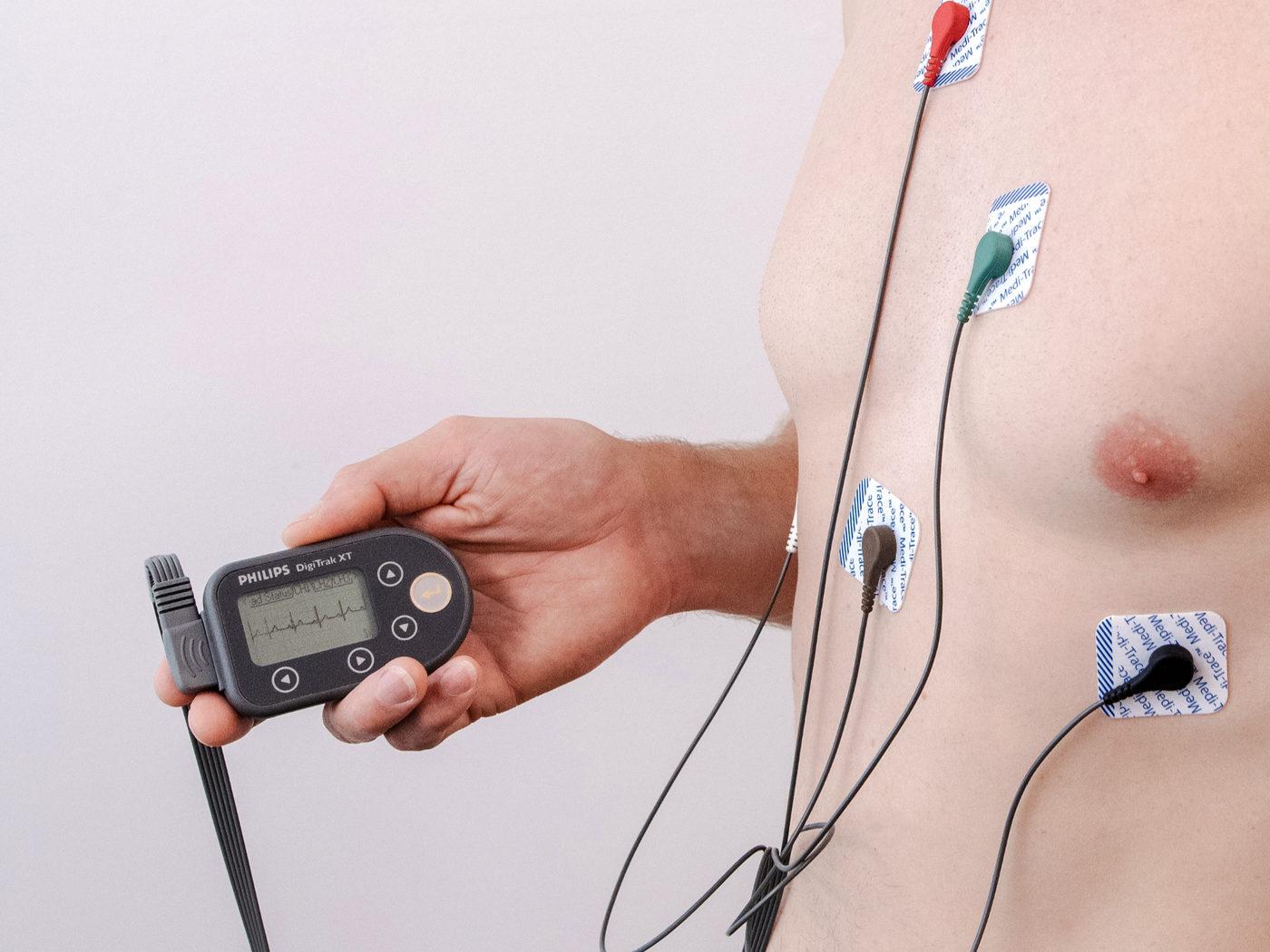
Holter and event monitoring
A small recorder you wear at home, for 24 hours up to 7 days, to capture your heart rhythm during normal life.
What to expect: Holter and event monitoring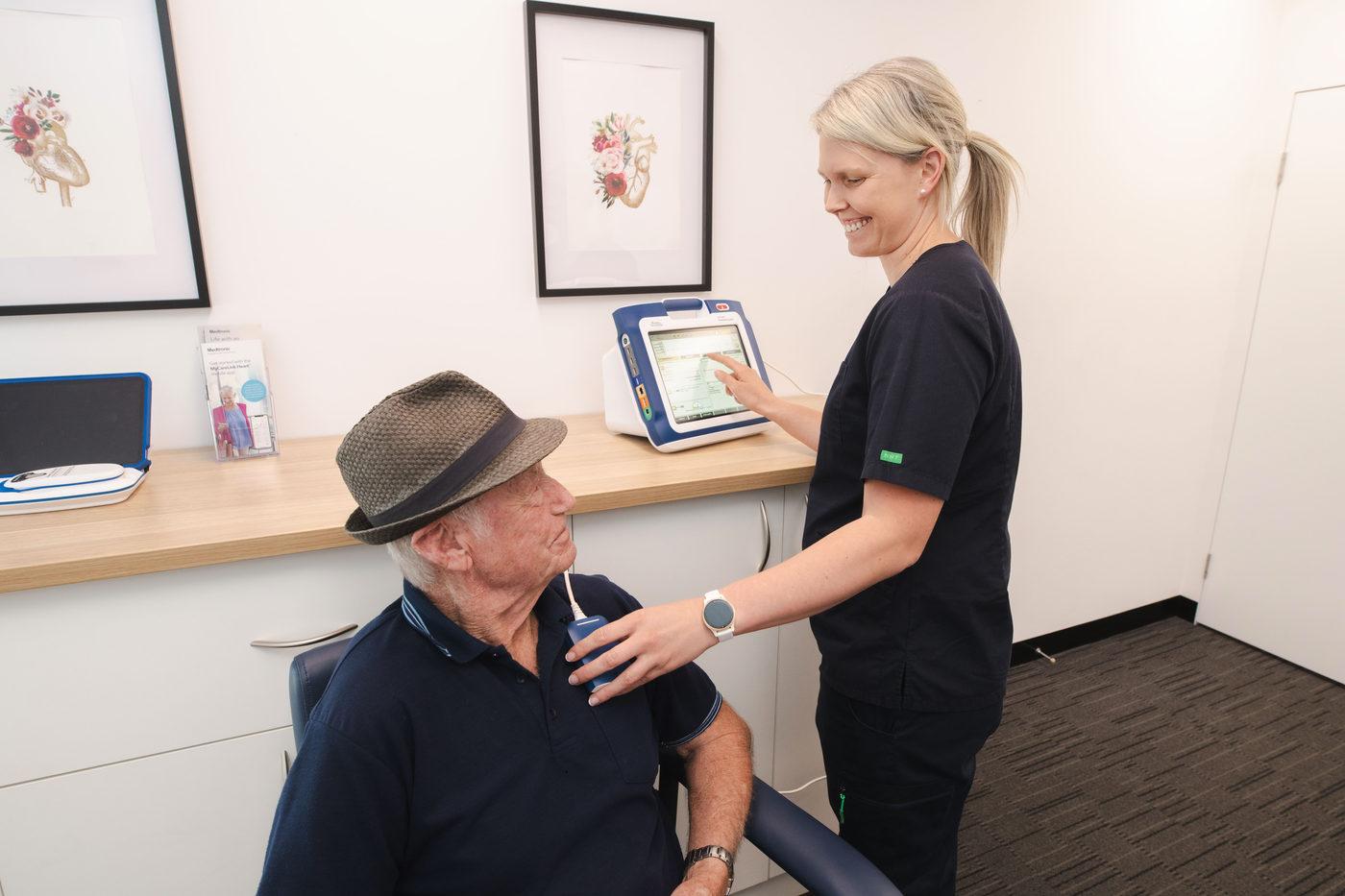
Implantable cardiac device checks
A painless check of your pacemaker, ICD or loop recorder, including devices fitted elsewhere.
What to expect: Implantable cardiac device checks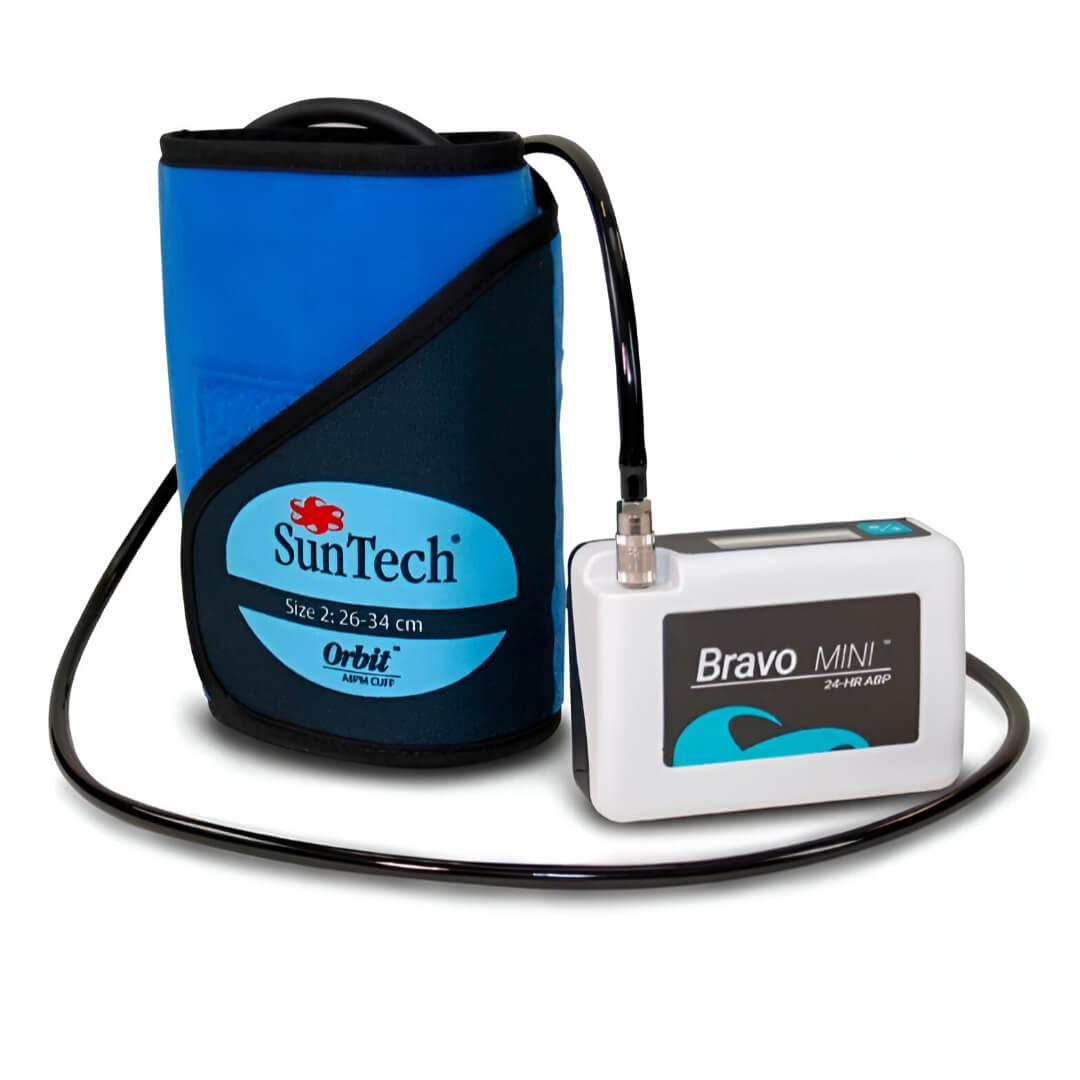
24-hour blood pressure monitoring
A cuff you wear for 24 hours that takes readings through the day and overnight.
What to expect: 24-hour blood pressure monitoring
Procedures in hospital
Dr Mekel performs these at both St John of God Bendigo Hospital and Bendigo Health. Closer to your procedure date, you'll be contacted to confirm your admission time.
- Electrophysiology (EP) studyMaps your heart's electrical system to find where a rhythm problem starts.
- Catheter ablationTreats some heart rhythm problems by targeting the small area of heart tissue causing them.
- Pacemaker and defibrillator implantsFitting a pacemaker or ICD, and replacing its battery when it runs low.
- Transoesophageal echocardiogram (TOE)An ultrasound of your heart taken from inside your food pipe, under a short anaesthetic, for a closer view of the valves and chambers.
- Coronary angiogramX-ray pictures of your heart's arteries, using dye passed through a thin tube in your wrist or groin, to look for narrowing.
- Cardioversion (DC reversion)A controlled shock, given under a short anaesthetic, to bring an irregular heart rhythm back to normal.